
Repositioning Graduate Education for the Right Audience
Redesigning the message, media, and mindset around what graduate studies can offer — and to whom.
Situation
Ryerson University’s graduate programs had a visibility problem — not just in how often they were seen, but in how they were perceived.
While the university had grown its reputation in undergraduate innovation, its graduate studies offering wasn’t keeping pace in the eyes of prospective students, especially outside of Toronto. Marketing efforts treated all grad programs the same, with no tailored approach for different levels (Master’s vs. PhD) or different motivators (career change, research opportunity, mission-driven impact).
The challenge wasn’t awareness — it was misalignment.
We needed a strategy that matched the depth of the offering with the right audience — and brought clarity to a confusing landscape.
My Role
I led the annual province-wide campaign strategy for graduate studies, partnering with external media agencies and internal stakeholders to define audience segments, messaging frameworks, creative direction, and campaign measurement models.
This was a complex cross-functional effort — requiring leadership across marketing, academic departments, student services, and central recruitment — and a deep understanding of how graduate students make decisions differently from undergraduates.
Action
We rebuilt the campaign from the ground up. Here’s what changed:
Segmentation Strategy
We stopped treating “grad students” as a single audience. Instead, we built persona-based messaging that acknowledged motivations:
Master’s students seeking career advancement or specialization
PhD candidates looking for research alignment and supervisor fit
International students balancing prestige, cost, and belonging
Differentiated Content
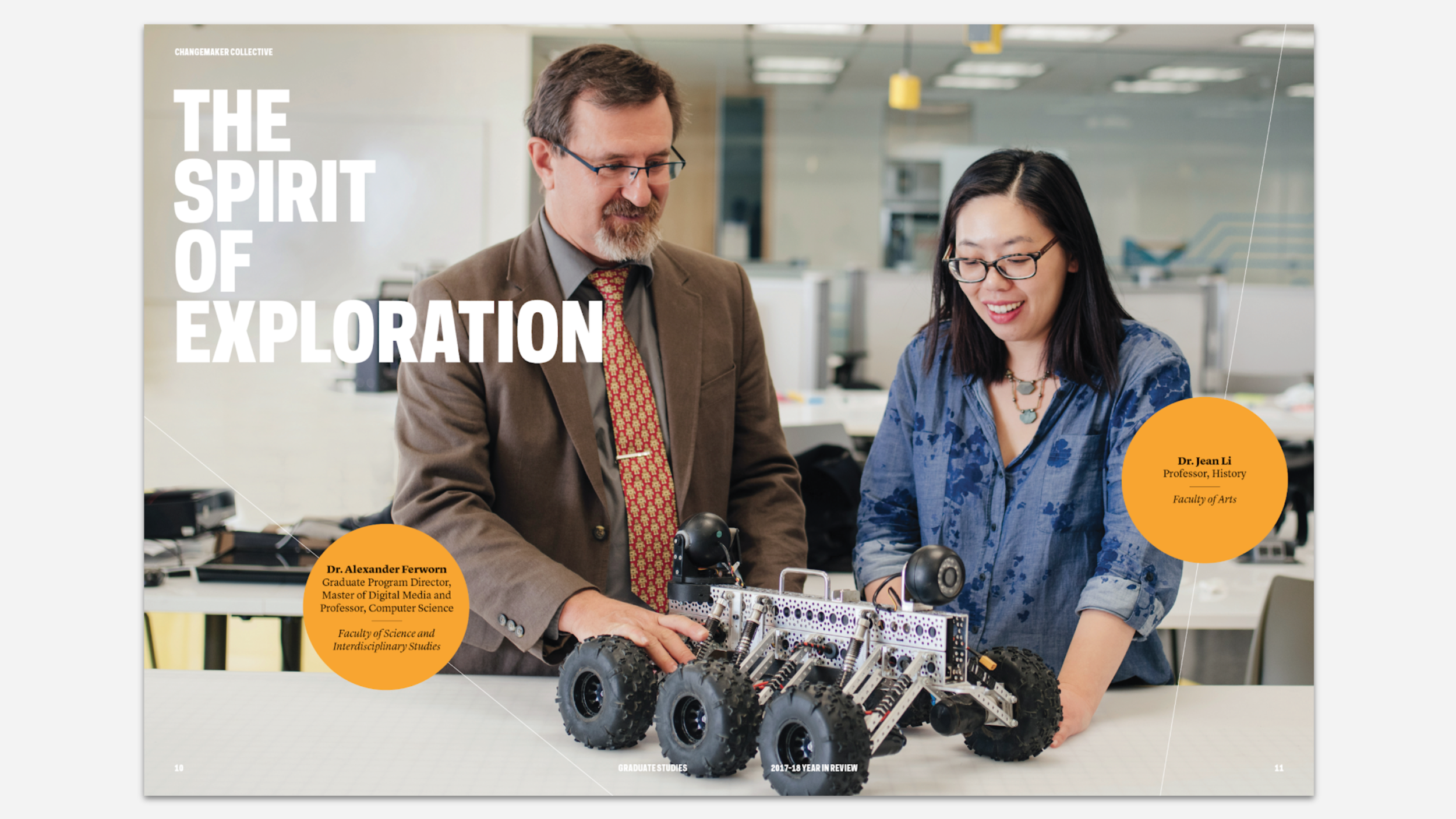
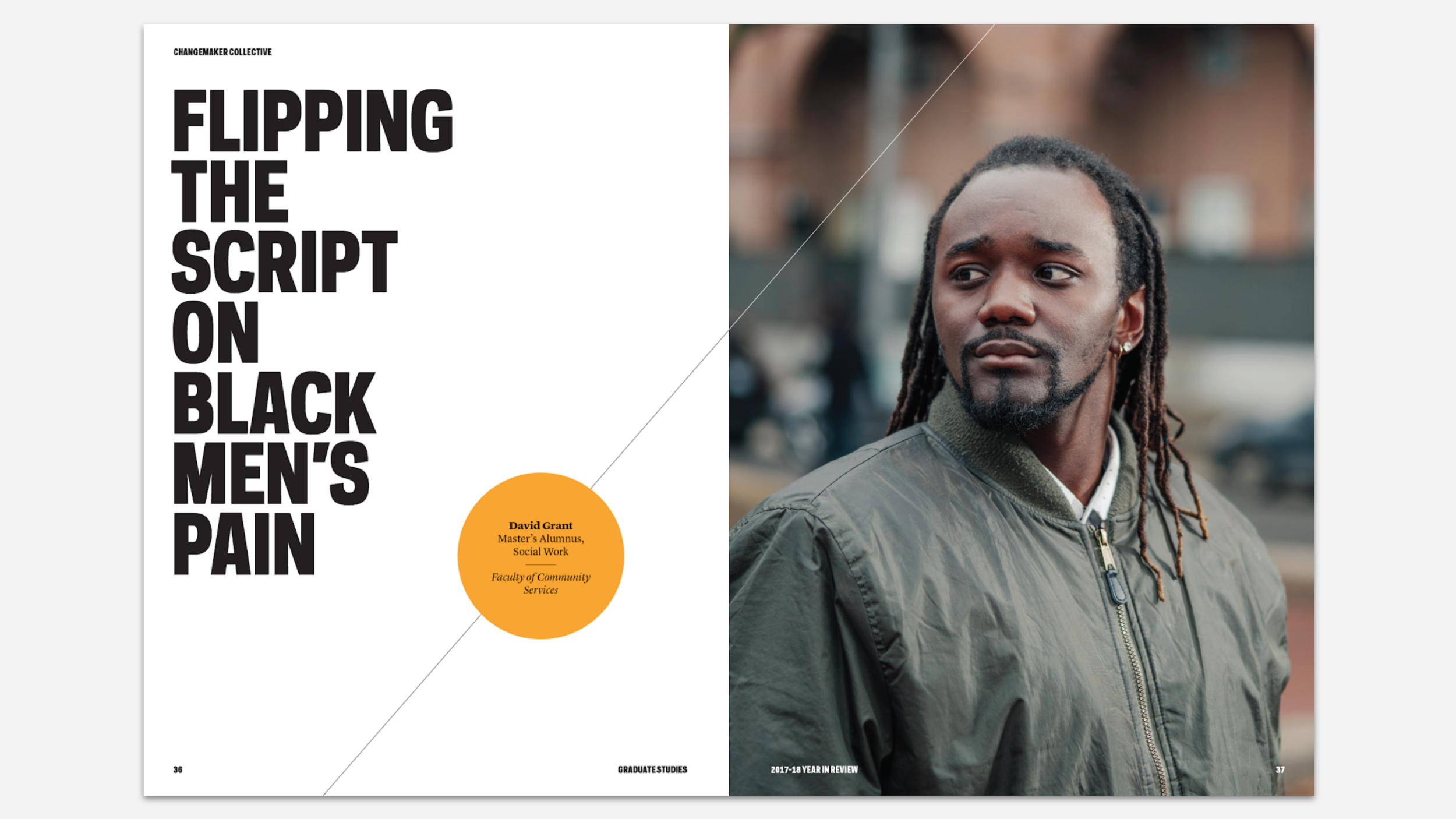
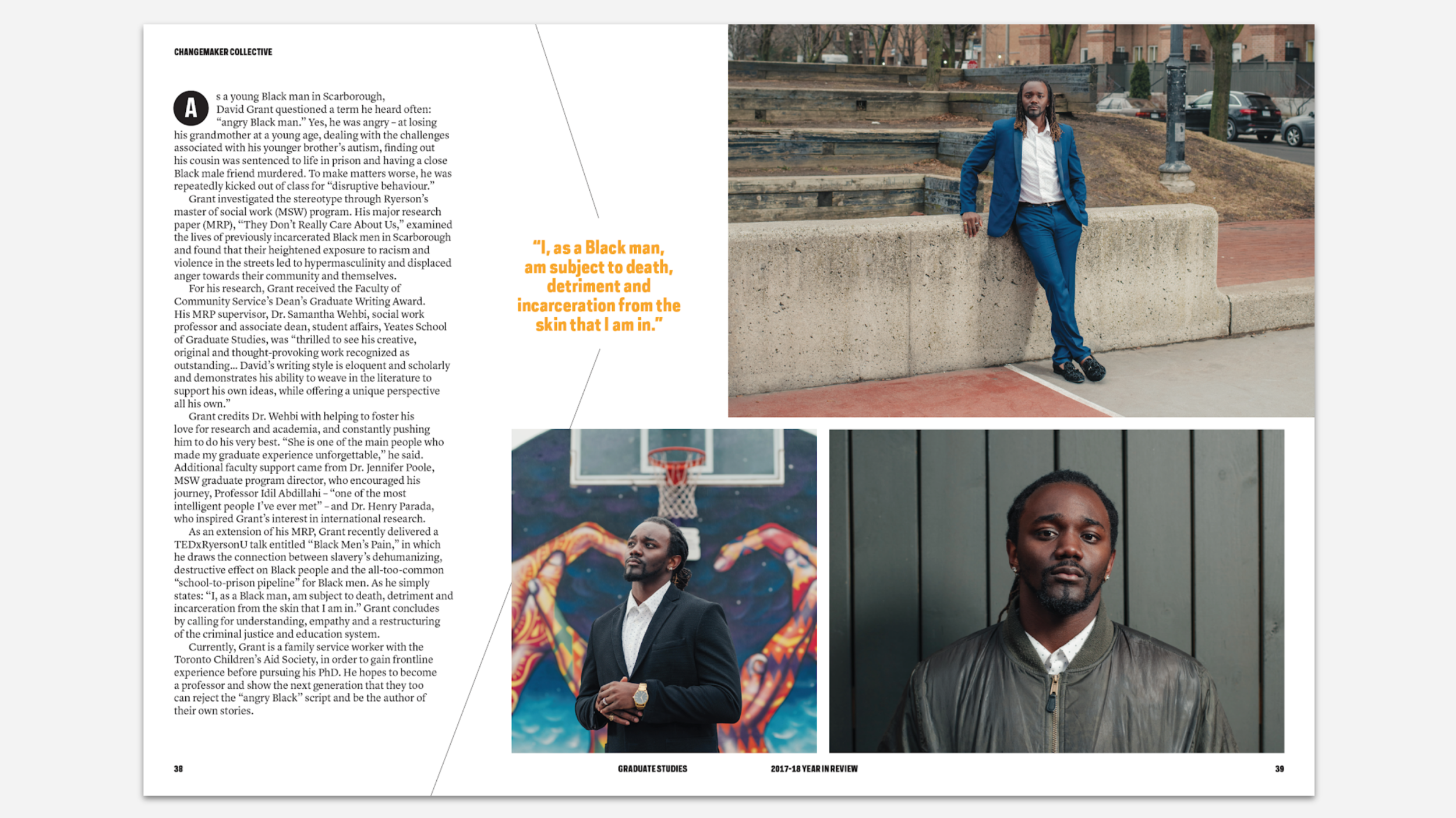
For the first time, PhD programs were given dedicated content — including tailored landing pages, long-form articles, and faculty storytelling that reflected the depth and complexity of their offerings.
Media Funnel Optimization
I worked with two media agencies to restructure how we used paid media across the funnel — from awareness to remarketing — including:
Prospecting ads with value-based messaging
Retargeting based on specific program interest
A/B testing of content types by channel (e.g. video vs. article)
Creative & Storytelling Tactics
We invested in long-form storytelling (written and video) to showcase real students and faculty, anchoring on impact rather than program details. This helped shift focus from “what the program includes” to “who you could become.”
Measurement & Insight
We introduced view-through conversion tracking and other analytics upgrades to assess how impressions led to action — informing smarter budget decisions and campaign refinement.
Outcome / Impact
The campaign produced measurable shifts:
Increased engagement across all channels, with higher time-on-page and lower cost-per-click
Improved lead quality through segmentation, with more targeted program inquiries
More efficient media spend, reallocating budget based on what worked — not just what was booked
Most importantly, we changed the internal conversation. Faculty and leadership began seeing marketing not as a flyer or poster, but as a strategic tool for matching the right story to the right student.
Why It Matters
Graduate school isn’t a mass-market decision. It’s personal, complex, and high-stakes.
This project showed that you don’t need to shout louder — you just need to speak more clearly to the people who are actually listening. When the message is right, the right people find you.