
Zone Learning Ecosystem
Designing the strategy, systems, and narrative that enabled a university-wide innovation ecosystem to scale.









Situation
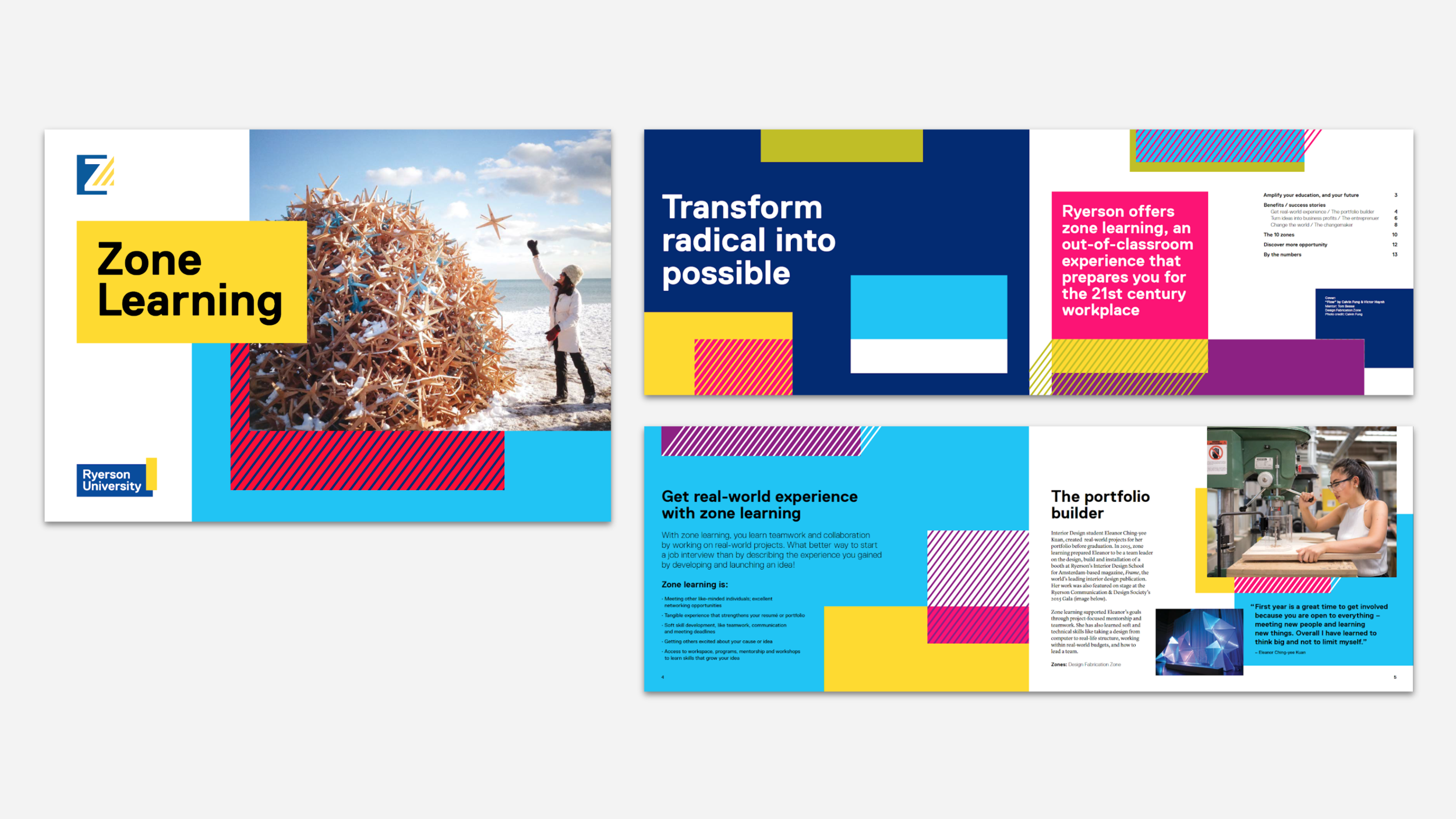
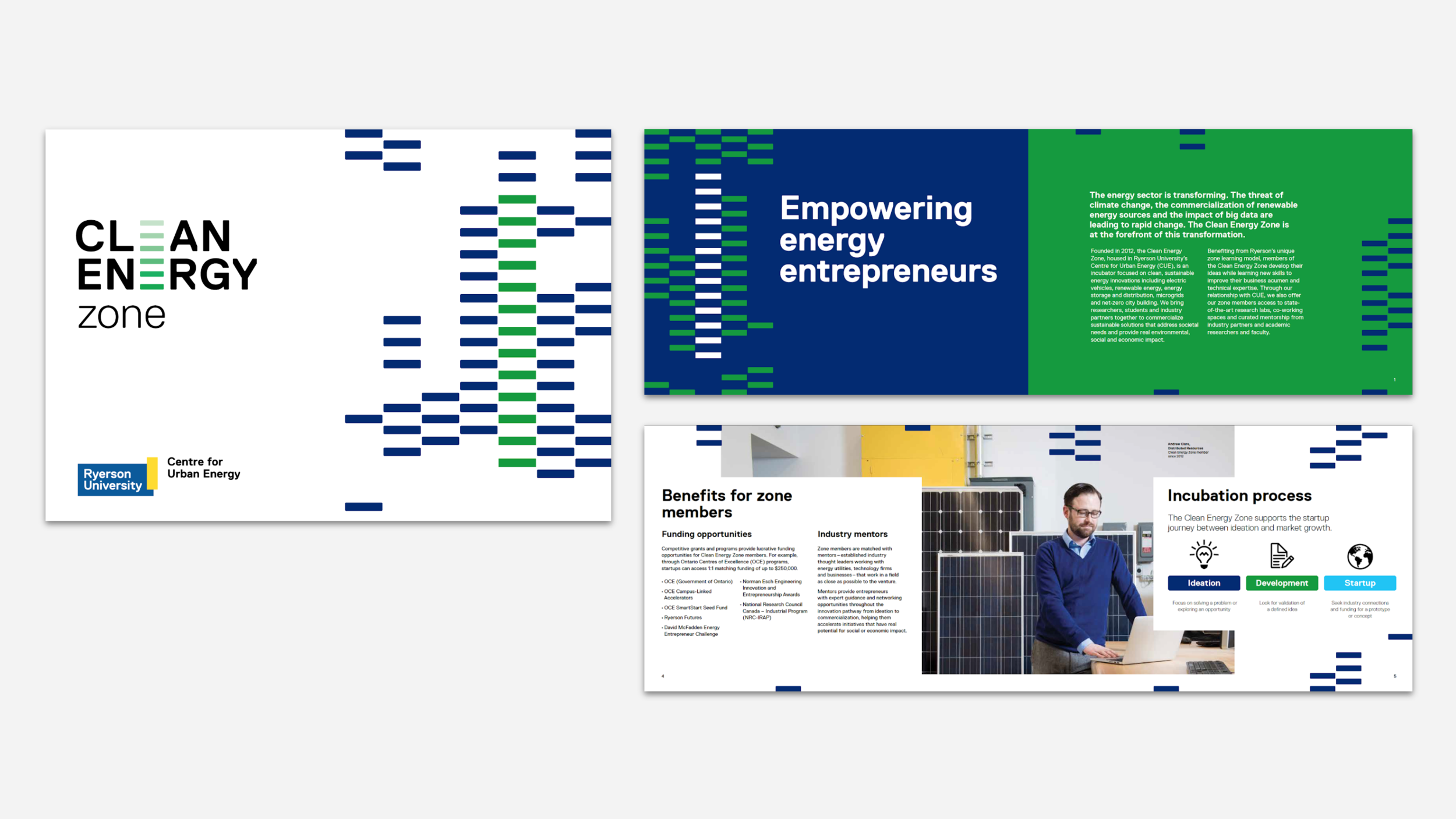
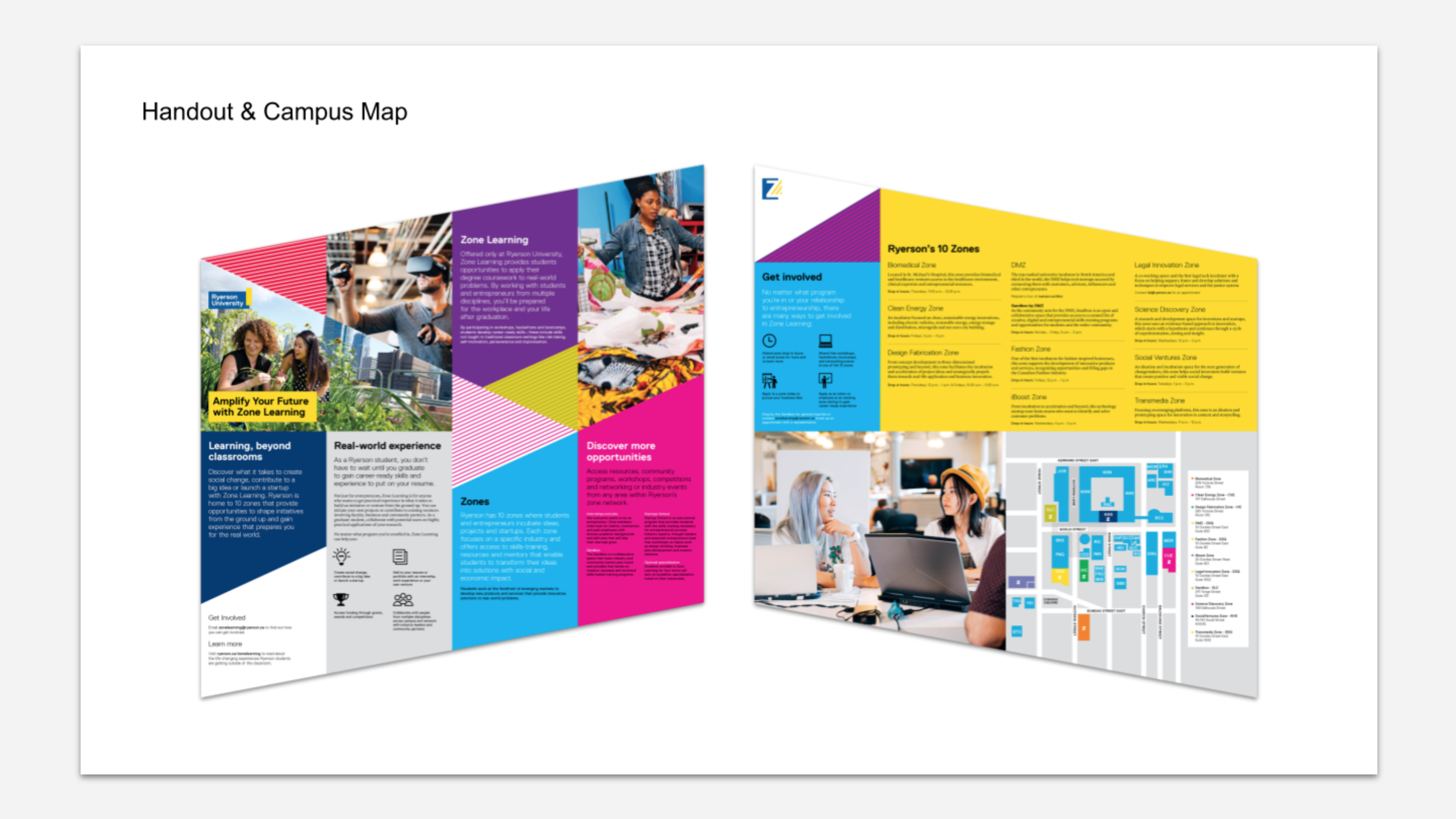
Zone Learning emerged during a period of rapid institutional growth. Over several years, Toronto Metropolitan University launched 10 on-campus startup incubators across disciplines ranging from technology and fashion to social innovation and media. Each zone was built with strong leadership and local momentum — but the network itself had outgrown its original structure.
As the ecosystem scaled, new challenges surfaced: fragmented messaging, uneven operating capacity, duplicated effort, and increasing difficulty explaining the value of the network to students, faculty, government, and industry partners. What existed was a collection of strong parts — what was missing was a cohesive system.
The question wasn’t how to market Zone Learning more loudly.
It was how to lead it more intentionally.
My Role
I played a central leadership role in shaping Zone Learning’s evolution — working across strategy, operations, storytelling, and stakeholder engagement to help the network mature from a set of incubators into a coordinated innovation platform.
My work bridged institutional priorities and on-the-ground execution. I partnered closely with senior university leadership, incubator managers, external partners, and cross-functional teams to design frameworks that could support scale without erasing local identity. At every stage, my focus was on sustainability: building systems that would outlast individual people, projects, or moments.
Action
I approached Zone Learning as an ecosystem design challenge — not a branding exercise.
The work began with deep listening. Through interviews, surveys, and facilitated conversations with students, staff, faculty, and partners, I helped surface where the ecosystem was thriving — and where it was breaking down. These insights informed decisions well beyond communications, shaping how the network would organize itself and grow.
From there, I led and contributed to several interconnected efforts:
Strategic Narrative & Positioning
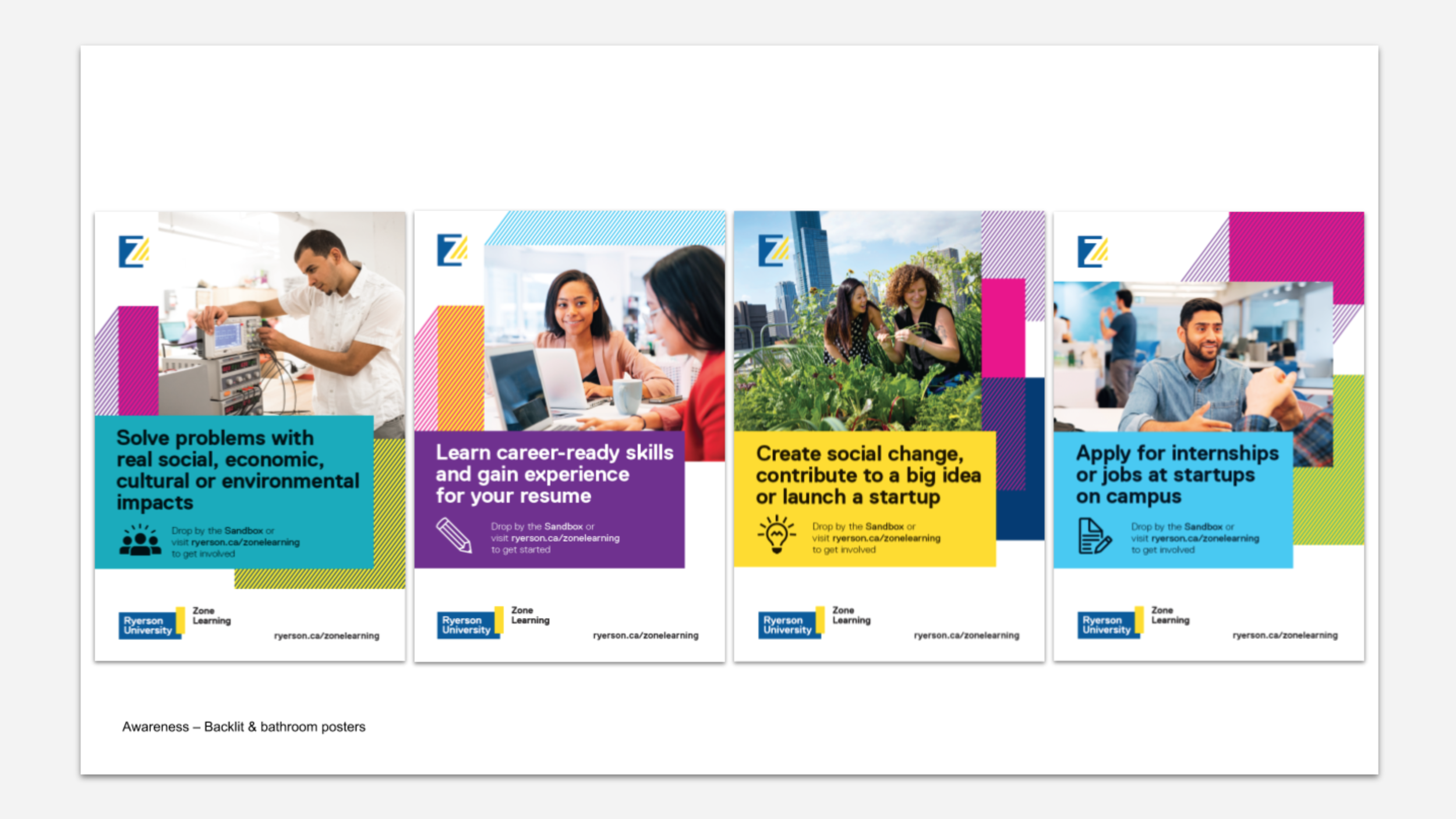
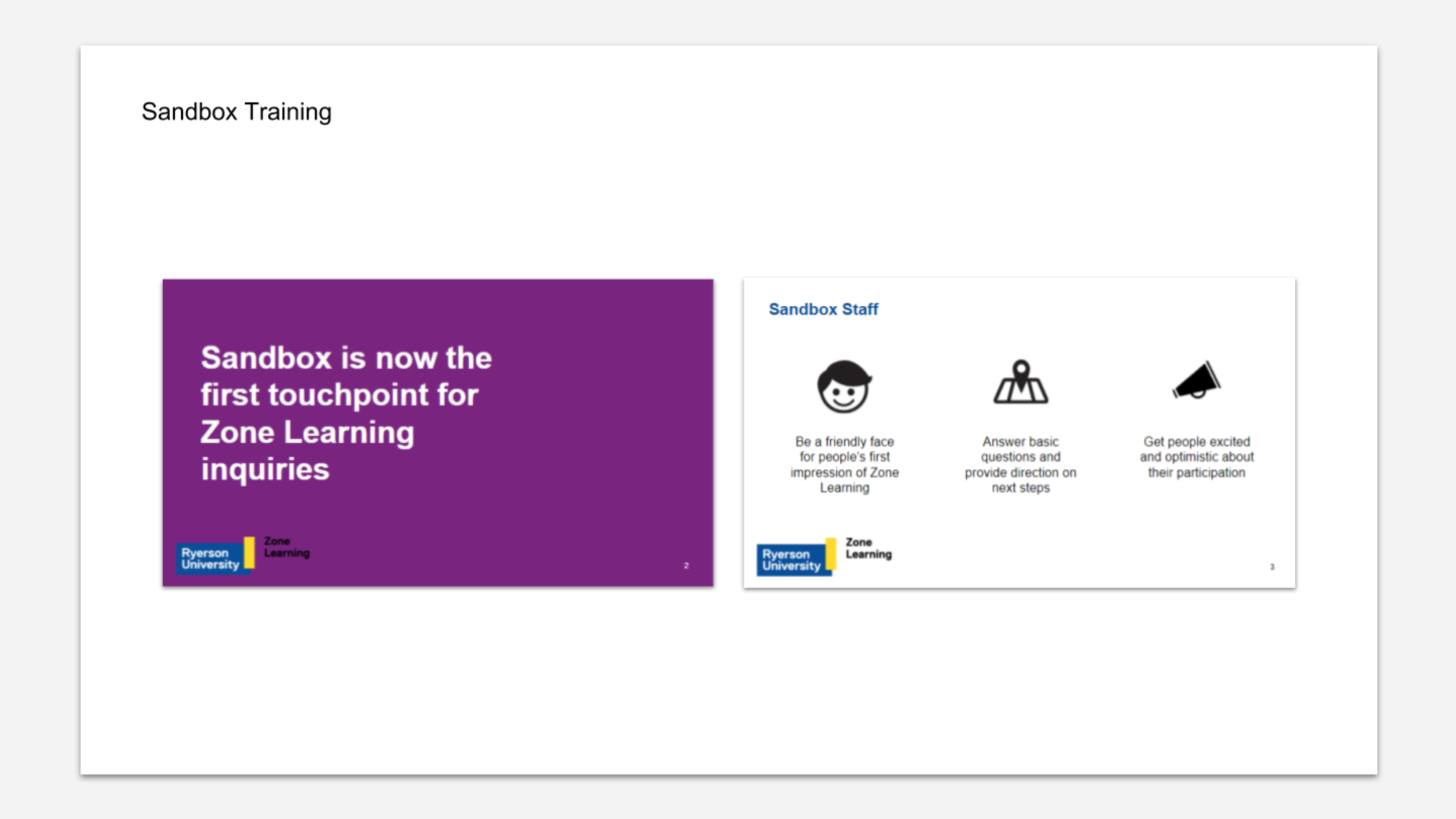
I helped define a clear, shared story for Zone Learning — one that articulated its role within the university, clarified pathways for engagement, and aligned the work of 10 distinct incubators under a common purpose.
Operational Alignment at Scale
Recognizing the realities of high staff turnover and uneven capacity across zones, I helped design toolkits, templates, and processes that operationalized strategy. These systems reduced friction, increased consistency, and allowed teams to focus on program quality rather than reinventing basic infrastructure.
Leadership Through Enablement
Rather than enforcing compliance, I prioritized adoption. I facilitated workshops, developed training materials, and demonstrated the application of frameworks through real, visible projects — building trust and buy-in across the network.
Platform & Infrastructure Development
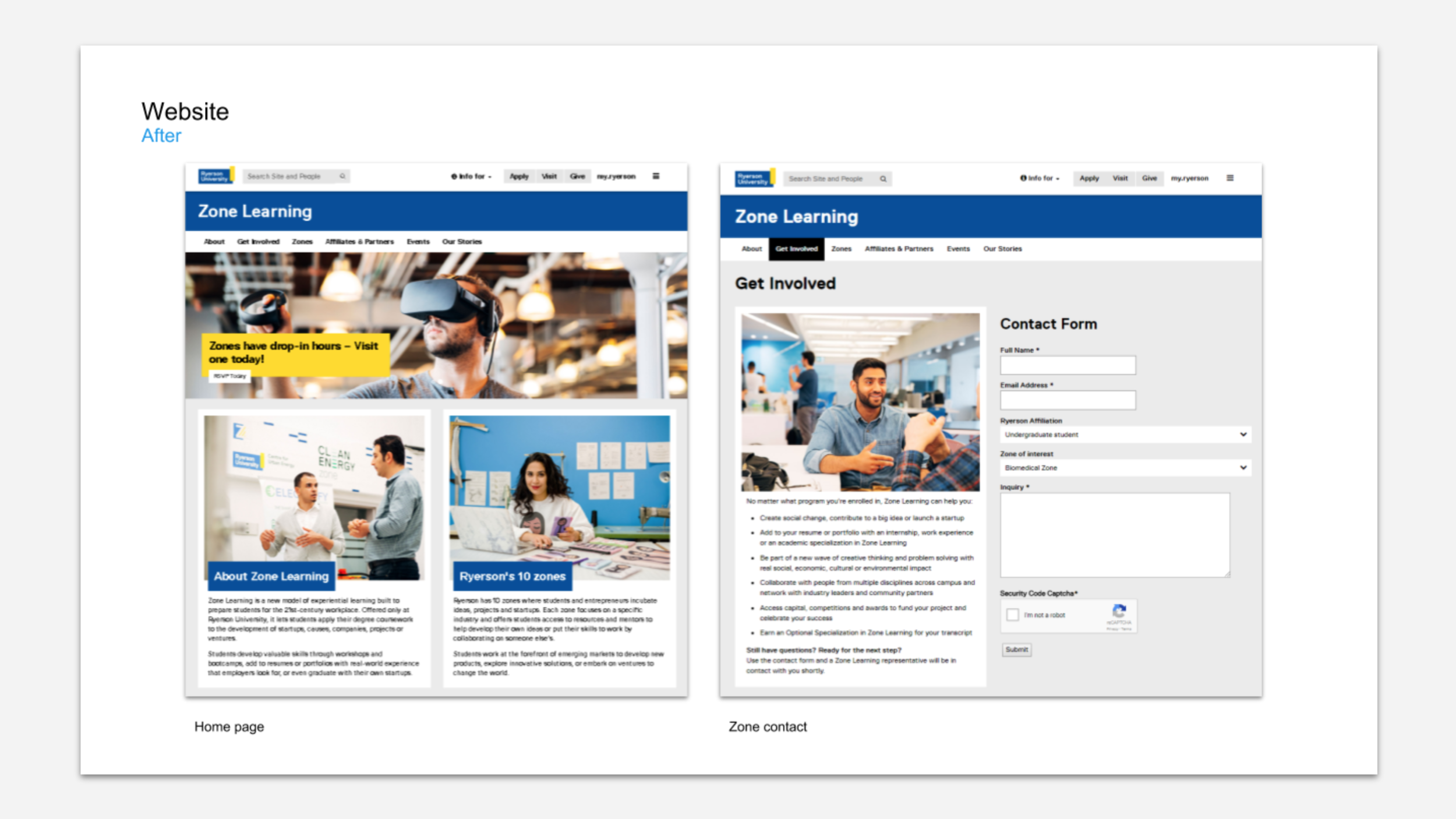
I supported the transition of key digital assets in-house, reshaping the Zone Learning website and content architecture to better serve students, partners, and external audiences, while creating space for storytelling, jobs, and ecosystem visibility.
Ecosystem Activation & Growth
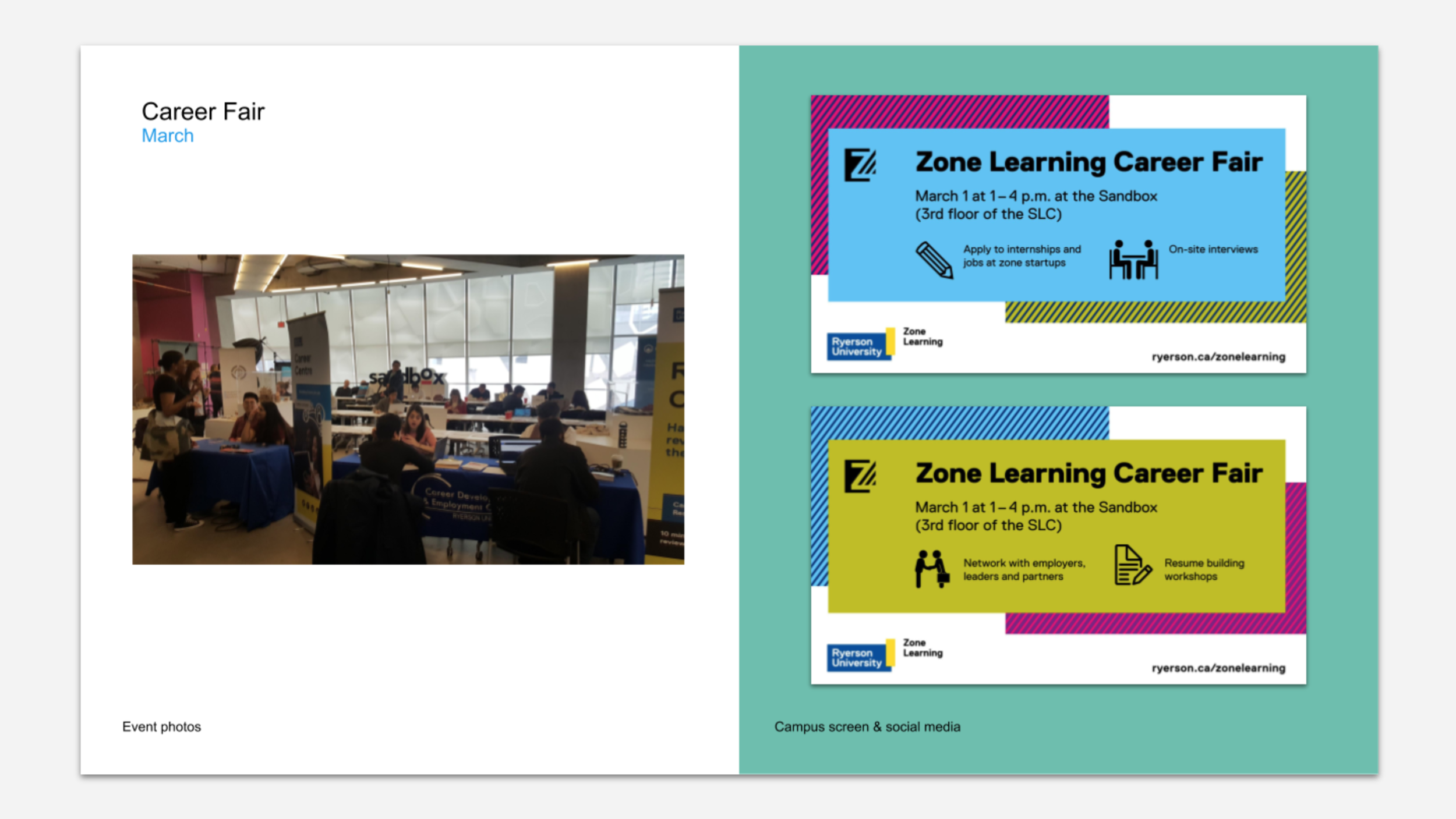
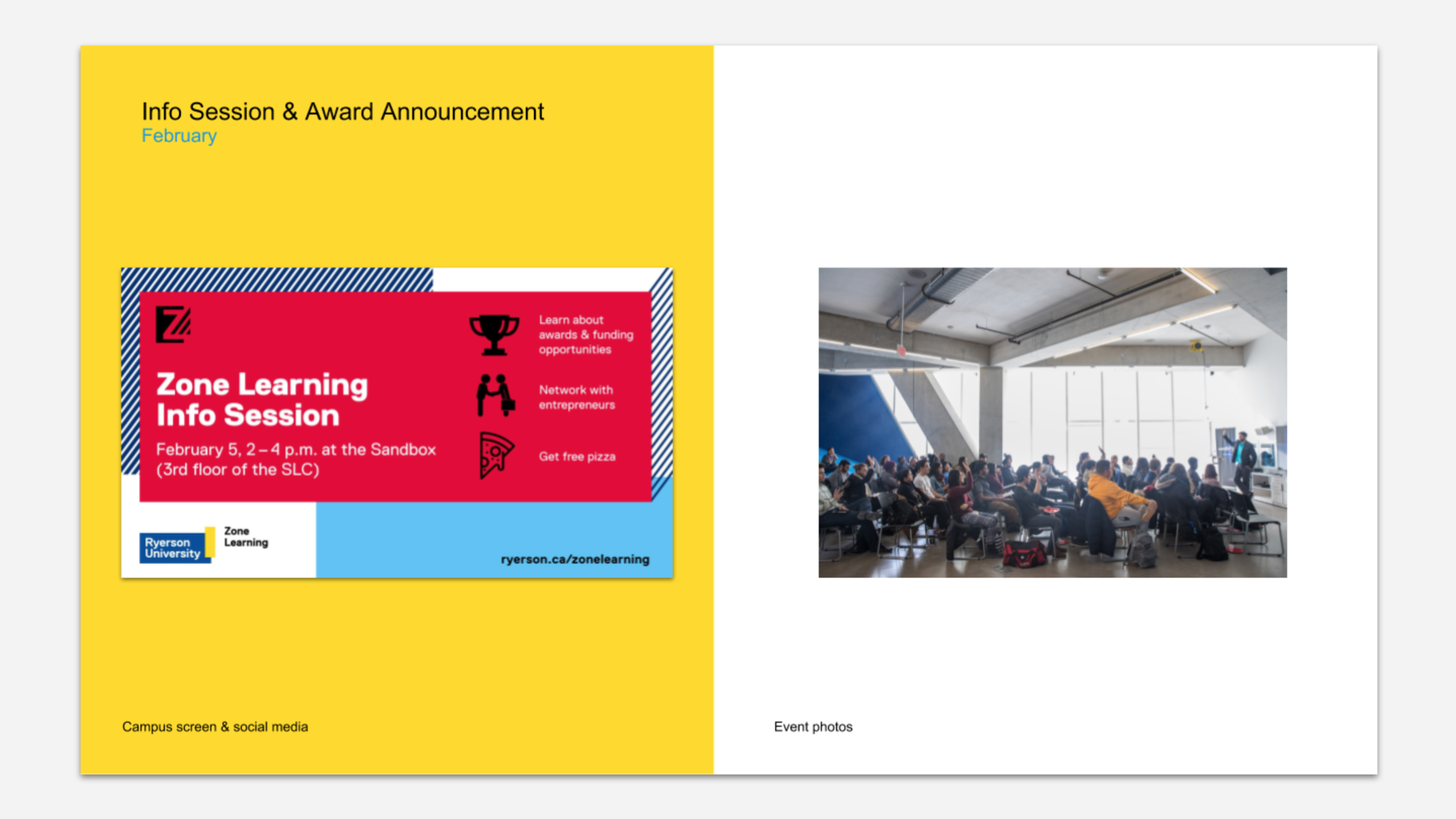
This work extended into initiatives that connected the network to real outcomes — including large-scale student hiring efforts, cross-campus partnerships, and external engagement with government and industry stakeholders.
Throughout, narrative functioned as a strategic tool — aligning people, clarifying decisions, and making growth legible.
Outcome / Impact
Zone Learning evolved into a more coherent, scalable, and resilient innovation ecosystem.
The network gained:
A shared strategic narrative understood across stakeholders
Clear engagement pathways for students and partners
Repeatable systems that supported growth without over-reliance on individual contributors
Improved internal alignment and external credibility
More importantly, the ecosystem became easier to lead. Decision-making improved. Collaboration increased. New programs and partnerships could be launched on a stronger foundation.
Why It Matters
This work reflects how I approach leadership.
Growth doesn’t come from adding more — it comes from designing better systems. Narrative creates alignment. Strategy sets direction. Execution makes it real. When those three move together, ecosystems can scale with intention — and with impact.